Zhejiang Cuisine
Introduction
Zhejiang cuisine, originating from Zhejiang province on China's eastern coast, is renowned for its fresh and delicate flavors, emphasizing the use of seasonal and locally sourced ingredients. The geographical advantages of Zhejiang, including its coastline and fertile plains, provide an abundance of seafood, rice, and various other ingredients that are integral to its culinary repertoire. This region is often referred to as "the land of fish and rice," highlighting the pivotal role these ingredients play in its cuisine.
Historical and Cultural Background
Zhejiang province boasts a rich culinary tradition that has evolved over centuries, making Zhejiang cuisine one of the eight great culinary traditions of China. The region's history is deeply intertwined with its food culture, and its dishes often reflect the province's historical and cultural contexts. The tradition of Zhejiang cuisine dates back to the Song Dynasty (960-1279), a time when many signature dishes were created and refined. The province's culinary legacy is also enriched by its connection to tea culture, particularly with the famous Longjing tea, which is often incorporated into local dishes.
Signature Dishes
West Lake Fish in Vinegar Gravy (Xihu Cuyu)
One of the most iconic dishes of Zhejiang cuisine is West Lake Fish in Vinegar Gravy. This dish features a grass carp soaked in a dark red vinegar sauce, resulting in a tender, sweet, and sour flavor profile. The dish is closely associated with Hangzhou's West Lake and is said to have been created during the Song Dynasty. It remains a staple for both locals and tourists, who often savor it while enjoying the scenic beauty of West Lake.
Dongpo Pork
Dongpo Pork, named after the famous Song Dynasty poet Su Dongpo, is another celebrated dish of Zhejiang cuisine. This dish is known for its rich flavor and tender texture, achieved by braising pork belly in brown sauce. The story behind its creation adds to its allure; it is said that Su Dongpo was gifted a large amount of pork by the people of Hangzhou in gratitude for his efforts in controlling floods. He then shared the prepared pork with laborers, leading to the birth of this dish.
Stir-fried Shrimp with Longjing Tea
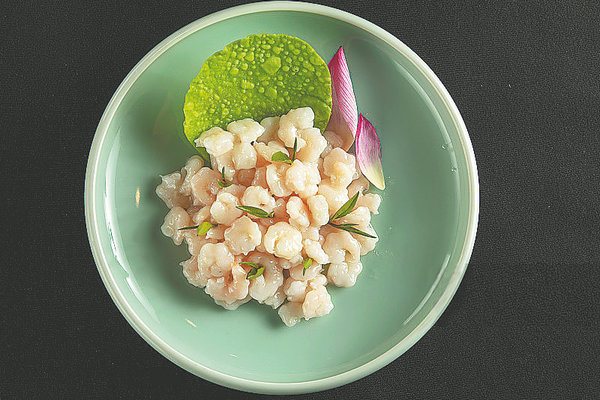
Longjing tea, a celebrated green tea from Zhejiang, is not only a popular beverage but also a key ingredient in the province's cuisine. Stir-fried Shrimp with Longjing Tea exemplifies this unique culinary practice. The dish involves stir-frying peeled shrimp with freshly brewed Longjing tea, imparting a delicate tea fragrance and flavor to the seafood.
Culinary Influence and Global Recognition
Zhejiang cuisine has gained international acclaim due to its refined techniques and emphasis on natural flavors. The province's commitment to preserving traditional methods while embracing innovation has allowed its cuisine to flourish and adapt to modern tastes. Many Zhejiang dishes have been recognized as national-level intangible cultural heritage, further solidifying their importance in Chinese gastronomy.
The global interest in Zhejiang cuisine is also reflected in the growing number of Zhejiang-style restaurants outside of China. The Michelin Guide's inclusion of Zhejiang restaurants in its selections demonstrates the cuisine's worldwide appeal and the high regard in which it is held by culinary experts.
Modern Adaptations and Culinary Events
In recent years, Zhejiang cuisine has continued to evolve, with chefs experimenting with modern twists on traditional dishes. The province hosts numerous culinary festivals and events, such as the Canal Culture and Food Festival, which showcase Zhejiang's rich food heritage and promote its cuisine to wider audiences. These events provide a platform for chefs to innovate and experiment while staying true to the essence of Zhejiang cuisine.
Moreover, the integration of Zhejiang cuisine into international culinary events has helped to raise its profile. The Zhejiang Symphony Orchestra's performances, which include compositions celebrating the province's culinary art, are a testament to the cultural significance of Zhejiang cuisine and its role in the broader tapestry of Chinese culture.








